Why now? Why settle? When? Particularly for losses, not gains.
Because, as hippies said during the Vietnam War, reality is really real, and the good guys don’t always win.
Although the highest probability for the Ruso-Ukrainian War is that it will continue as a kinetic frozen conflict that may potentially continue for years. Indeed, it has been going on with smaller scale for a decade already.
But at some point in the future, if things get really complicated should the USA and NATO massively arm Ukraine to make even more serious full out attacks inside Russia directly or with Russian threats of ever more serious unilateral use of tactical nuclear weapons present its unthinking ugly head in a more committed way, all parties will agree to sit down together, if only on an initially notional basis to decrease the decibel of war. While the frozen war could last for decades, will probably not.
The scenario presented here assumes Ukraine comes out worse than it was before the war with the pre-annexation of Crimea but decides to make huge concessions in a treaty with Russia to avoid years of a future bloody and expensive frozen war while obtaining genuine guarantees for its to-be-newly-redrawn borders.

Such a treaty would asymmetrically reward Russia for the invasion of a sovereign nation, the commission of war crimes, the aggressive strategy of targeting civilians, and the destruction of property and civil society while stealing territory through annexation. In short, given its alternatives, Ukraine survives but at a very steep price.
But Ukraine’s worst-case alternative would be continued titrated annihilation. Russia would continue to pursue the same methodology it applied to Chechnya for its eventual 2009 victory. Russia effectively flattened it into a vacant lot of rubble and then rebuilt it. However, because of the larger size and scope of the Ukrainian war compared to the Chechnya conflict, neither side can ultimately win in this scenario.
Neither Side Can Win
Russia knows it cannot win militarily. On the Russian side, casualties are estimated to be between 189,000 and 223,000, including up to 43,000 killed in action, and they would need an ongoing and standard force of more than 1.5 million to win the war and then occupy and manage it. And there would be constant civil resistance. This is why Putin naively assumed he could have a short war that would begin by quickly decapitating the leadership in Kyiv as he did in Crimea. This was also the original approach the U.S.S.R. initially took when invading Afghanistan, only to be bogged down there for years.
Settling for such a lop-sided treaty would rid Ukraine of its ongoing low-intensity civil war, which has killed 15,000 people in the Dombas region that was supported by Russia for decades since the fall of the U.S.S.R. and destroyed large parts of the country. In the current conflict, Ukrainian civilian casualties have surpassed 30,000, including over 10,500 killed and nearly 20,000 injured. In terms of military losses, Ukraine is estimated to have suffered around 70,000 military deaths and 100,000 to 120,000 wounded
The Deal
After real negotiations, sponsored by candidate mediators acceptable to both parties, such as Turkey, India, France, Israel, etc., and backed by the United Nations, Ukraine/Russia would enter a cease-fire and use that time to hammer out a deal. It is possible there would be flare-ups, but, for the most part, they would get through it. It could take years to perfect an agreement legally. As negotiations wobble sometimes, it might look more like a frozen conflict than a progressive negotiation. But in the end, they end up agreeing on a settlement that nobody likes but accepts, like all disputed settlements.
The broad terms of the Gordian Knot solution would be that Ukraine becomes a neutral nation, ceding all territory claims to land annexed by Russia pre-invasion to them (i.e., Crimea). Ukraine, in its neutrality, would give up any claims to join NATO and the EU yet would be empowered to develop robust commercial relationships with the EU and the rest of the world and with, in the fullness of time, possibly Russia, each other’s historically most significant trading partner.
The Two Trouble Children

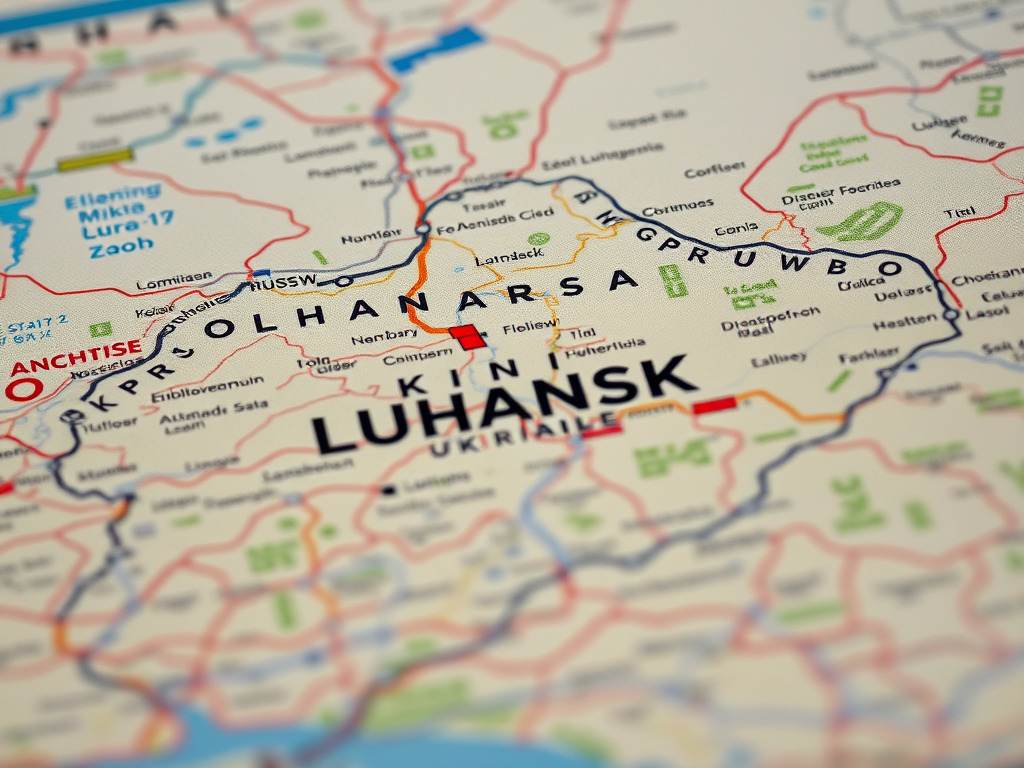
With respect to how to handle Ukraine’s two regions, Donetsk and Luhansk, the territory that Russia annexed with false pride during the current war would remain one of the most debated “who controls the map” issues. Indeed, negotiations could be so deeply contentious that when battlefield disputes give way to conference room disputes, they could break down with a return to frozen war conflict.
Proffered solutions offered by either side or mediators might include: a.) Russia getting to keep the newest annexed territory along with the previously annexed Crimea, i.e., both Donetsk and Luhansk. It would be hard for Putin to “un-annex” them but theoretically possible with some clever face-saving solution he is known for (unlikely solution), b.) Ukraine completely retaining the two trouble child rebellious regions and their sources of perennial conflict (unlikely solution), or c.) the two regions become part of an autonomous region in an independent Ukraine or a totally independent set of republics but governed in a classic power-sharing arrangement ala Lebanon, Northern Ireland, Bosnia and Herzegovina (most viable-but-very-shaky solution for the two regions).
Back to Black
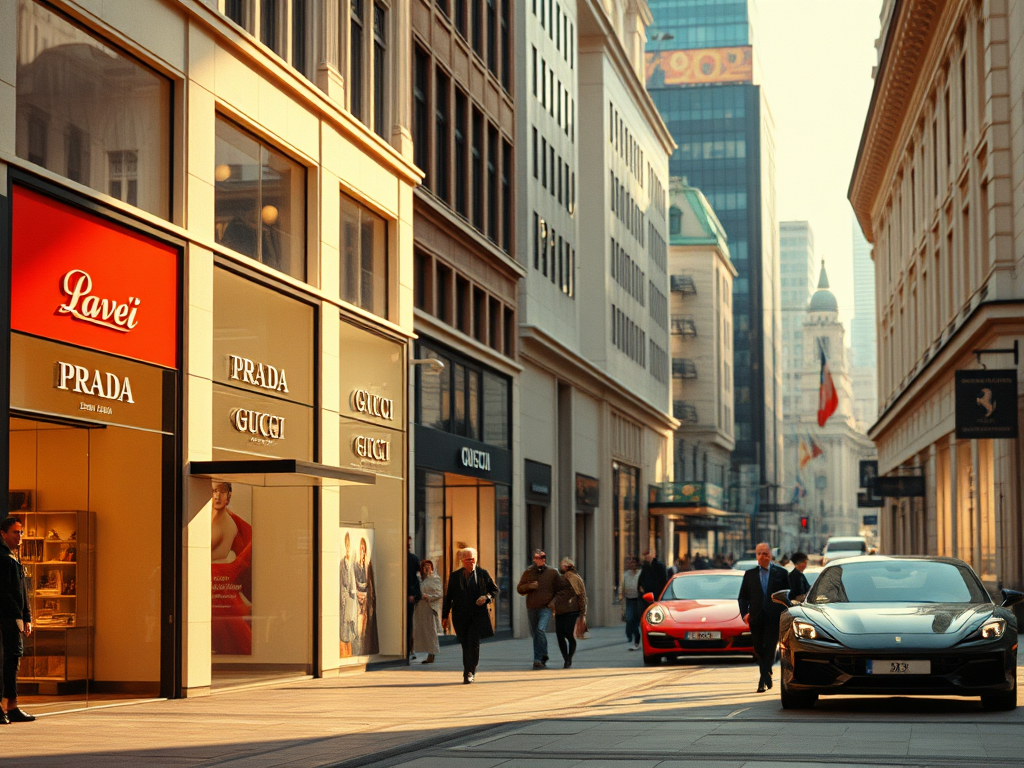
Russia, for its part, would be progressively relieved of most/all sanctions and encouraged by other third parties to rejoin the rest of the world status quo ante like the early 2000s. Gucci, Prada, Ferrari, and McDonald’s dealerships are open again for business in Moscow. The oligarchs get back in business, pay Putin now-even-larger tributes, and everybody is happy in Russia.
It should be stated that in this scenario, the possibility and probability of getting Russia to pay war reparations or being open to conducting war crime prosecutions is absolutely nil. As a negotiation point, it will be a non-starter for Russia since the war criminal in question begins with Vladimir Putin. There will not be any overwhelming victory whereby one side can impose terms on the other. The only other anomalous outcome scenario for justice between the two parties was South Africa’s Peace and Reconciliation Commission, which was established to bring individuals to justice, not a nation-state like Russia conducting a total war on its neighbor.
Squeezed Out By the Big Kids
What’s in it for the larger EU and the USA is that Russia’s progressive re-integration with the West would begin to ameliorate its global pariah status to slow it from developing even closer ties to China, North Korea, and now-inconsequential Syria. Its Iranian relationship and influence might prove useful in the context of the Middle East.
Joint scientific initiatives could be strengthened again, such as in space (the International Space Station) and other areas. This could happen by Russia explicitly pursuing a “non-unaligned nation” strategy (or for Putin his “Russian Empire” or Peter-the-Great-Lite) that would place him back on the grand stage but “non-aligned” with other countries like Brazil, India, and China. In short, Viva BRIC, with Russia as a global player, is back at the world table. As it is now, Russia doesn’t have many friends.
Although one of the toughest pills for Ukrainian ingestion in its history, such a settlement would offer the prospect that closer commercial ties all around would be a greater asset to everyone’s mutual security interests than the alternatives. The EU, the USA, and its allies would pursue a diplomatic course playing to Putin’s need for respect on the world stage and leveraging mutual interests where possible. (We deal with ruthless autocrats all the time and are quite good at it.)
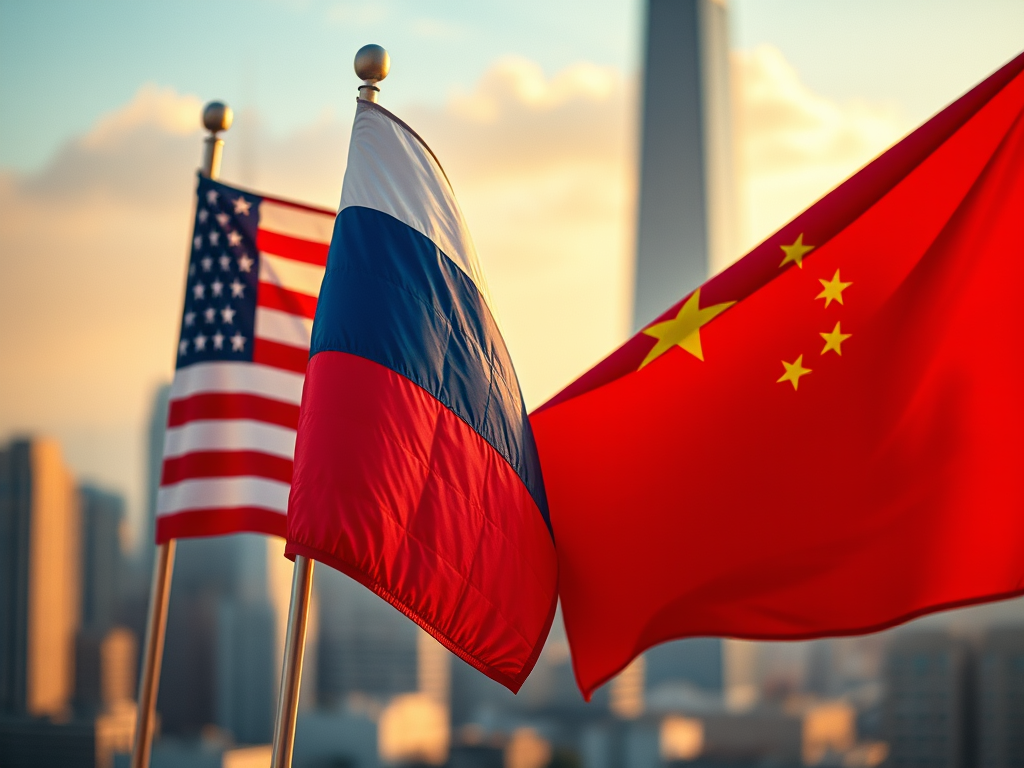
By definition, being back at the table would give Russia the opportunity to make the world a multipolar one again, not the current dual-polar one that is pushing Putin towards potentially becoming a Chinese vassal state with a historically problematic neighbor in the long run.
As much as Putin pushes his Greater Eurasian Partnership, like Peter the Great, he is more interested in the West and might lower his Peter-the-Great Lite hard power military annexation tendencies for soft power.
Ideally, Russia would eventually be integrated into the West as a trading partner, even though Europe has dramatically reduced its dependence on Russian oil and gas to almost nothing since the sanctions. Ironically, the USA and Saudi Arabia would be the big losers if the Russian oil and gas tap were turned on again for Europe at much lower new Russian prices.
Thrown Under the Bus
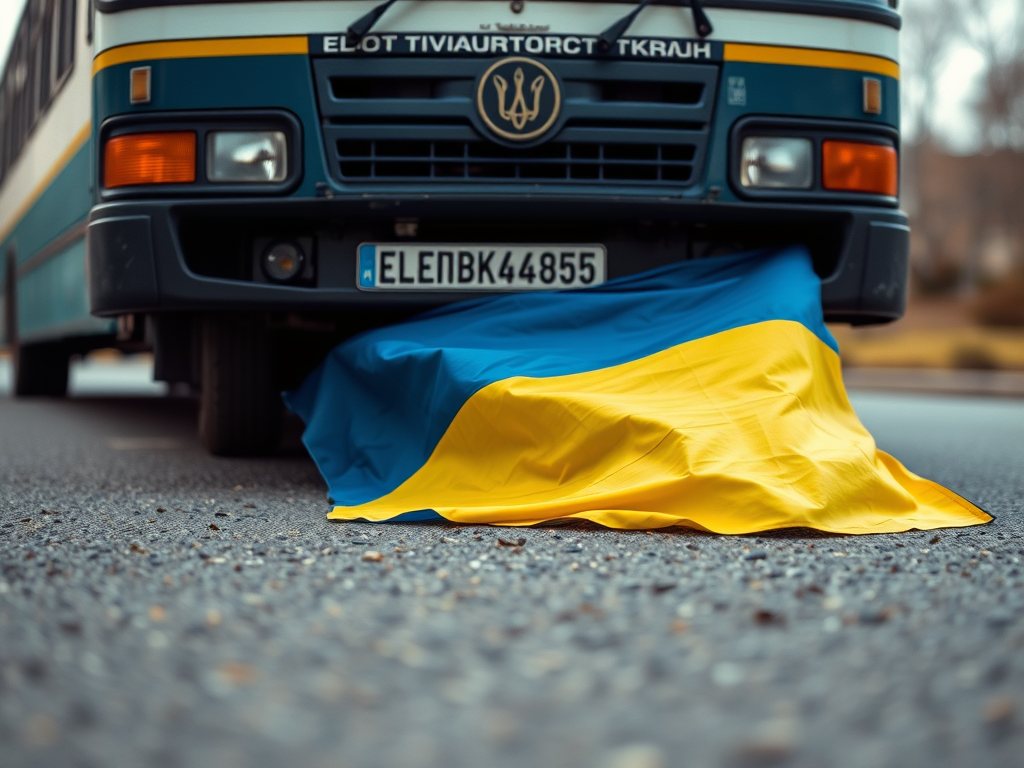
The terms of this kind of settlement would feel like a “throw Ukraine under the bus” arrangement since they would control less than in the pre-conflict period. However, based on the military map, Russia’s power, and arsenal, it would be better than the current set of alternatives before either side.
Another factor Ukraine will probably consider is the massive $175 billion financial support it has received from the USA for the Ukraine effort, and requests for even larger amounts might wane as the USA moves on to its next event (e.g., Middle East redux, China). A Trump 2024 election victory would seal its fate entirely. Given a hypothetical USA diminution of effort, historical support from the EU of $126 billion to date could also be at risk, with Ukraine looking at potentially cumulatively spending more than half a trillion dollars on the war in the near future and no end in sight.
In a peace settlement, security would be guaranteed for Ukraine by a set of countries acceptable to both parties and the United Nations. While this arrangement is not perfect in terms of offering a tangible hard defensive threat of military power, as Ukraine’s now-repatriated nuclear missiles did pre-1994 under the terms of the Budapest Memorandum, such an arrangement would outweigh the alternatives. The ultimate security guarantee would be the unstated extra-treaty elephant-in-the-room understanding that Ukraine could theoretically join NATO overnight if things deteriorated in a worse-case future scenario if Ukraine were attacked again.
Aftermath
For Russia: Putin would scale back his blunt military approach to seizing countries like Georgia and, at best, opportunistically pursue a series of “soft power” initiatives throughout sympathetic previous Soviet republics (e.g., Belarus, Armenia, Kazakhstan, Kyrgyzstan, Tajikistan, Turkmenistan, Uzbekistan, Azerbaijan) and by pivoting to working with the West to completely becoming a distant third world power or client-state to China.
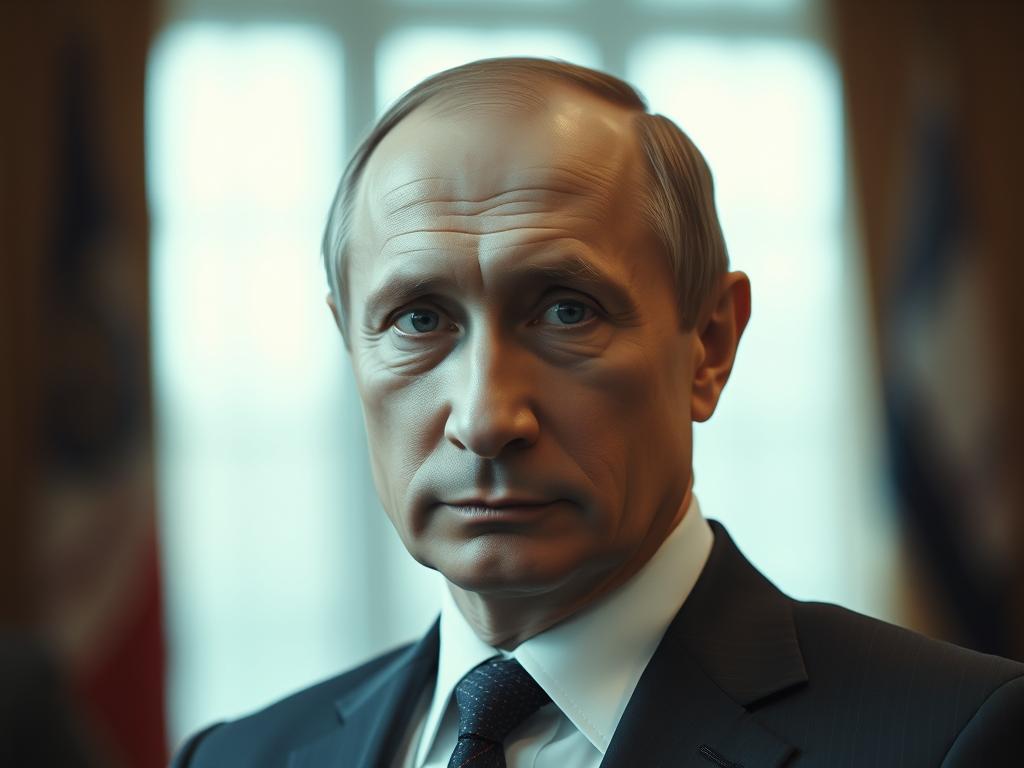
Putin’s largest longer-term problem is governing an economy based on basic commodities such as oil, gas, and mining. Demand for the latter is gradually fading globally, and with it, Russia’s economy and GDP. Putin’s only option is to diversify into wider and deeper manufacturing, high tech, and establish a set of commercial interests with the West. Despite the ongoing problematic risk, Russia will continue to be a major arms exporter.
Throughout all this, the West would try to integrate Russia into the world fabric with “coopetition”. In this sense, the scenario would look like US/China relations in the 1980s and early 1990s with many bi-lateral ventures that ultimately helped build, for better or worse, China into the world power it is today in key areas of manufacturing and leading in key areas of high tech and now, defense.
For Ukraine: The number one challenge facing Ukraine, stating the obvious, is rebuilding, which has been estimated to cost $1 trillion dollars. It will be both a huge financial challenge and a physical one to accomplish. One can assume Russia will refuse and not pay reparations. As outrageous and unfair as that is, the West, particularly the EU, which would benefit the most from it, would carry the burden. The USA would play a secondary role through the International Monetary Fund, NGOs, some direct grants made in our interests, and private initiatives.
Ukraine will require many international grants, aid, and private investments will be their only recourse without any war reparations from Russia with a non-existent Putin Marshall Plan. There will be major challenges to rebuilding infrastructure, housing, energy, industry and agriculture, healthcare, education, and their military. Removing un-exploded ordinance and their intended and unintended consequences will be a paramount challenge. One may still observe the remnants of war trenches from World War I in Belgium 100 years later. Ukraine is riddled with them. [Note: We know that there is a marked increase in civilian cancer deaths in places like Iraq and Serbia, where the Allies used uranium-depleted ammunition].
American taxpayers, who have already spent $175 billion for Ukraine on an emergency crisis basis in the interest of supporting democracy and sovereignty against Russia, helping it in the fight, will tire of funding Ukraine’s rebuilding. The USA doesn’t need wheat. Indeed, the Ruso-Ukrainian War has mostly benefited US arms manufacturers whose revenues had been flagging in the absence of sales supplying US arms markets in Afghanistan and Iraq. [Note: in those two wars, of the total $8 trillion spent, $2 trillion of that amount was direct USA arms spending based on current guestimates].
But in terms of cost/benefit rewards accruing to the USA other than major arms sales, in supporting Ukraine, we have been spending our treasure based on principles we believe in (e.g., sovereignty, non-aggression) and a hazy sphere-of-influence Cold War model for global geopolitics vs. our hard-core economic interests.
As the need for continued military funding for an extended war fades, future spending for rebuilding Ukraine will increasingly diminish as well, with the American public losing interest either through our media-induced ADHD (e.g., the Israeli / Palestinian / Iranian / Hezbollah war, the next big global thing, COVID 2.0) or simply satisfied thinking (or looking that other way) that Russia and Ukraine are on some bumpy and turbulent glide path to peace but with closure for the USA public in general.
After the Iraq and Afghanistan occupations, Americans are tired from Defatigationis Americanae de bellis occupationis. American national fervor for the Ukrainian narrative is almost off-screen at this point. The media thinks so and doesn’t cover it much these days. The Trump voter, for example, asks, “Why do we need to help Ukraine? Why is this our problem?” The Biden/Harris/Walz voter similarly will ask, “Why aren’t we focusing on China since they are our main threat? Let’s do Obama’s ‘pivot to China’ again.”

Ukrainian Reform and Leadership
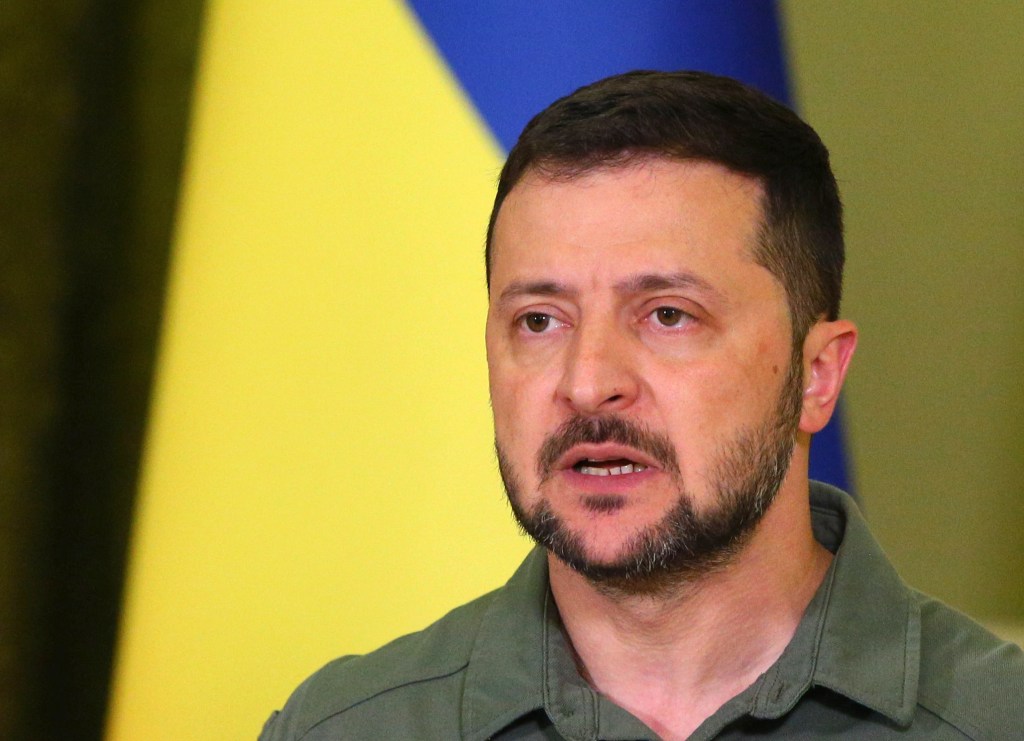
One of the biggest challenges for rebuilding Ukraine, and most overlooked during the current war, will be how it deals with its endemic corruption. During this war, Zelensky has had to fire high-level officials over this issue at the worst time possible with people in key positions (e.g., Reznikov, Defense Minister, Tymoshenko, Deputy Head of the Presidential Office, Venediktova, Prosecutor General, Bakanov, Security Chief and several major governors and deputy ministers). If corruption was a major problem at a critical wartime moment in Ukraine’s history, then in peacetime, it could risk falling into the worse situation that Russia found itself in after the fall of the U.S.S.R. with the attendant rise of kleptocrats and oligarchs, and ultimately, the ascendancy of “Mr. Fixit” Putin. As they appear, external and internal players will get in line to exploit Ukraine’s recovery around concessions, grants, and aid.
Therefore, transparent leadership with the very best leader available and establishing a working democracy will be paramount to this entire re-building effort and potentially one of the greatest factors contributing to its success. Due to term limits, it is unlikely that Zelensky will still be on the stage to direct the recovery. While there is a highly remote and theoretical possibility for him not to relinquish emergency power in the post-conflict period, there is a fine history of benign but corrupt leaders in similar situations. No one will want to continue providing reconstruction money that only ends up being spent on new super-yachts built for those siphoning off funds earmarked for post-war recovery with a leader unable to control it.
However, the most likely scenario is that Zelensky, a wartime president like Churchill after World War II, will exit the stage to be in the background. This means that in Ukraine’s new emerging state, events will be highly driven by how effective Zelensky’s successor turns out to be. No obvious publicly known and trusted successor is waiting in the wings, although there are 5-6 strong contenders. Hopefully, they will have some background in television comedy. Based on Zelensky’s success, it seems a predictor for success.
 burnesingman
Leave a comment